

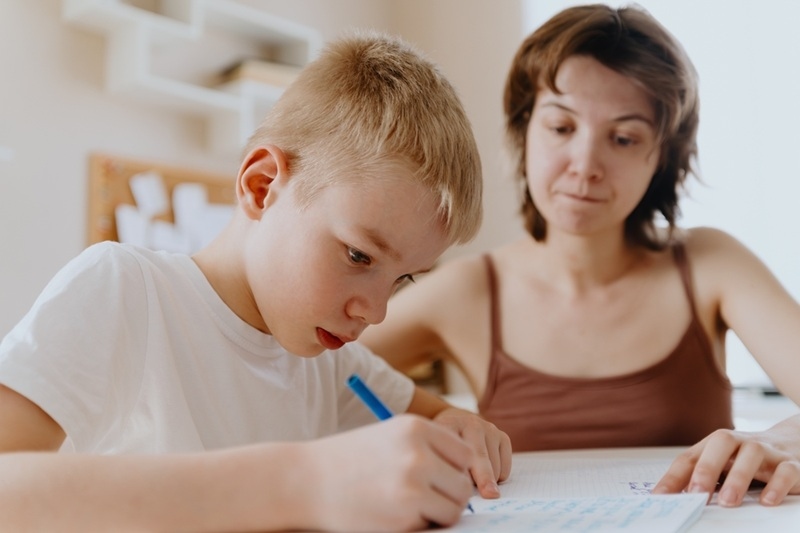
As parents, what most of us really wish for is that our children turn out to be well-developed individuals with a clear understanding of who they are, the ability to cope, and confidence in their own decisions. Confidence doesn't always just burst onto the scene, though. It grows more slowly through experience, affirmation, errors, and ordinary life with family.
The reality is, kids are developing their confidence from an earlier age than most of us assume. Small interactions, like being allowed to select their own outfit, make small choices, or speak their mind, contribute to how children feel about themselves throughout childhood and long into adulthood. In 2025, child development researchers found that individuals who had consistent exposure to a nurturing, supportive, self-esteem-building environment were more likely to demonstrate improved social confidence and emotional resilience in their teenage years. That is not to say children cannot depend on parents in some instances; however, they should learn that it is okay and beneficial to be somewhat self-reliant.
This parenting guide will focus on why parents foster self-confidence in children, why the ability to rely on oneself is important, and on simple ways families can build their children's confidence.
All stages of a child’s life involve confidence.
Children who are self-confident are able to express their needs easily, overcome obstacles more easily, and thoroughly enjoy learning something new. This sense of self-confidence in children is conducive to building both friendships and resilience during their formative years. Confidence is not about saying children should not feel nervous or unsure (adults who are full of confidence often get nervous sometimes), but about instilling in children the belief that they are capable of learning, growing, and tackling things.
Child psychology findings in 2025 stated that if a child receives sufficient, consistent emotional support, he or she will be inclined to tackle tasks without reservation rather than retreat out of fear.
In large part, parental communication is a significant way children gain confidence.
Children observe how adults respond when they fail, ask questions, or try new things. Constant criticism or excessive protectiveness can erode self-esteem over time.
Confidence in children is nurtured through environments where children are
The simple phrase "you really worked hard on that" can build stronger child self-esteem than anything more extravagant or pressure-oriented.
Children who feel loved and supported by their parents at home are more likely to feel confident outside the home.
Children develop self-confidence through learning independence.
Giving children responsibilities suitable for their age group allows them to gradually take ownership, develop problem-solving skills, and learn emotional regulation without their parents overseeing every decision and action.
Children can learn about independence from the youngest of ages.
Research conducted in 2024 examining parenting styles found that assigning age-appropriate responsibilities helped children build self-confidence as they navigated adolescent issues using problem-solving skills. Although it might be tempting to step in as parents, letting children struggle, even if briefly, will teach them more about self-reliance and resilience.
In short, yes.
Mistakes play a critical role in children's emotional growth. Children who are never allowed to feel disappointment or failure will often have a weaker sense of self-confidence because they fear letting their loved ones down.
The parents' role in children's mistakes is often the following:
Rather than completing a forgotten homework assignment for a child, the parent can simply ask the child what the best way would be to handle the situation in the future. This promotes child self-confidence and independence.
Children will develop resilience and learn that mistakes can be a learning opportunity, not something to be dreaded in the long term.
The parent-child relationship is crucial in building a child's self-confidence.
Children who feel supported emotionally and are listened to by their parents will have stronger social confidence and emotional intelligence. This does not mean giving the child everything he or she asks for; it simply means validating the child's feelings.
Building children's confidence through small acts is something parents do daily.
Family psychology experts show that continuous positive reinforcement in the parent-child relationship is the most influential element in creating high self-esteem. In many cases, children mimic their parents' opinions of themselves and their own personal attributes.
Absolutely. Parents want their children to be safe and comfortable but can make mistakes by overprotecting them. However, overprotection has a negative effect: children may feel incapable of handling situations on their own and develop a stronger sense of dependence rather than competence. This could also influence:
Instead of removing all challenges from children's lives, many parenting experts suggest 'supportive independence.'
You don't need grand parenting strategies to build a child's confidence; daily habits often have the greatest impact over time. Helpful habits may include:
Consistency is paramount. Children will build confidence over time through repeated instances of their parents showing love, respect, and understanding.
Nurturing children to have high self-esteem has more to do with trust in themselves than with a desire to raise "perfect" children. Parenting that is supportive of emotions, gives children freedom to try new things, and gives opportunities to experience decision-making, responsibility, and a positive parent-child relationship will foster this belief.
In this guide, we explored how parents can foster independence in their children, the benefits children gain from developing it, and the many ways children grow in the belief that they are able, supported by their parents, in daily life. We discussed how mistakes and the opportunity to make them are to be embraced, how to provide a secure and trusting environment for children, and how independence needs to be given gradually.
Building confidence in children is a lifelong endeavor, but it's fairly simple to raise a secure and functional human being. Children do not need parents to fix all their mistakes and obstacles; they only need the security of knowing they will be supported when going through the difficult challenges childhood and adolescence will throw at them.
Parents can teach children little bits of independence as early as their toddler years. It enhances a child’s confidence. Extremely simple tasks, such as tidying up or helping pick out an outfit, can, over time, teach children competence and responsibility. Ensure all tasks are to the child's ability level.
Yes. A shy child is not necessarily an incapable one. A shy child can grow into a capable, well-adjusted adult with confidence in their abilities and the capacity to overcome obstacles throughout life. There is no point in thinking a shy kid can’t build confidence; all you have to do is start early by instilling it.
Confidence in a child takes forever to build; it is not something that 'happens,' and this trait depends on a wide range of factors, from parents providing emotional support and the chances they give their child to be independent to positive approaches to their child. It is based on how they are being navigated.
This content was created by AI