

Preschool children do better when life has a little rhythm. Not a strict, military-style schedule where every minute is planned. That would exhaust everyone. But a gentle pattern through the day can make children feel safer, calmer, and more ready to learn.
That is where a healthy routine for kids becomes useful. Young children are still learning how to move from sleep to breakfast, from play to cleanup, from screen time to bath time, and from full energy to bedtime. They cannot always manage those changes smoothly on their own. Honestly, many adults struggle with routines too.
A good routine gives children a simple map. They know what usually happens next. Parents also get fewer daily battles because the day does not feel like a surprise every hour. It is not perfect every day, but it helps.
A healthy routine for kids supports the basics: sleep, food, movement, hygiene, play, learning, and emotional security. Preschoolers are growing fast, and their days can feel big to them even when the activities look small to adults.
Good routines also build child wellness habits without turning everything into a lecture. A child learns to wash hands before meals, brush teeth at night, drink water, help clean toys, and rest after active play because those things become part of normal life.
The goal is not to make children behave like tiny adults. It is to guide them with repeated habits until the day feels more predictable. Children often cooperate better when they know the rhythm. Wake up, wash, eat, play, learn, rest, eat again, wind down, sleep. Simple, but powerful.
Mornings set the mood for the rest of the day. A rushed morning can make a preschooler cranky before breakfast is even finished. A calmer start helps the child feel more settled.
A simple morning routine can include waking up, using the bathroom, washing the face, brushing teeth, getting dressed, eating breakfast, and packing school or daycare items. It does not need to be fancy. It just needs to be repeatable.
Parents can use pictures or a simple chart if the child likes visual reminders. Some preschoolers respond better when they can see what comes next instead of hearing repeated instructions.
A morning routine can include:
The fewer surprises, the better. Preschoolers often resist less when mornings feel familiar.
Food routines matter because hungry children become emotional very quickly. One minute they are fine. The next minute, the whole house knows they needed a snack twenty minutes ago.
A good daily schedule for children should include regular meals and snacks. Preschoolers usually need steady energy because they are moving, learning, playing, and growing throughout the day.
Parents do not need to make every meal look perfect. A balanced plate can be simple: fruit, vegetables, grains, protein, and dairy or another calcium-rich option. Some days will be better than others. That is normal.
Good food habits grow through repetition. Offering fruits and vegetables often, serving water regularly, and eating together when possible can help children see healthy eating as normal, not forced.
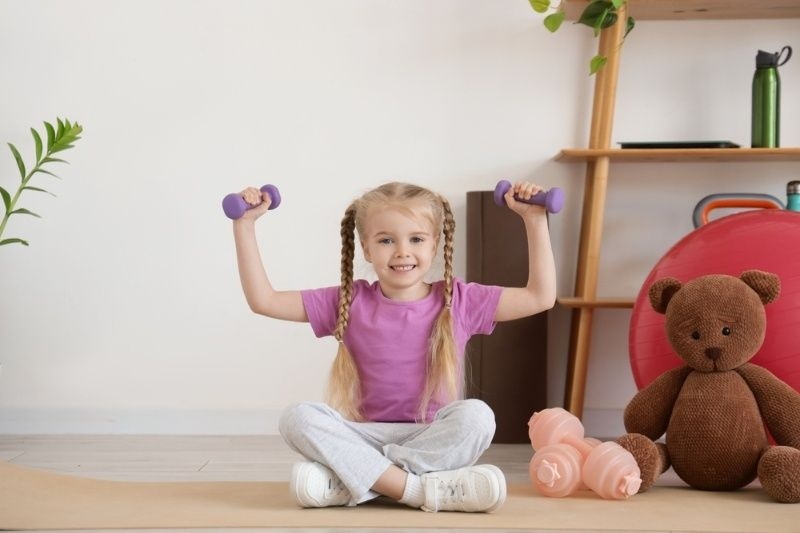
Preschool children need to move. A lot. Sitting still for too long can make them restless, irritable, and harder to manage. Movement helps their bodies grow, supports coordination, and burns energy in a healthy way.
Daily movement does not always mean formal exercise. Running in the park, dancing in the living room, jumping on safe mats, climbing playground steps, playing catch, riding a tricycle, or walking with a parent all count.
This is one of the most practical healthy lifestyle tips for families. Movement should feel like play, not punishment.
Parents can build active time into the day after breakfast, before lunch, after preschool, or before bath time. The timing can depend on the family schedule, but movement should not be treated as optional every day.
Preschool learning works best when it feels like play. Long lessons and pressure usually do not help much at this age. Children learn through stories, songs, puzzles, pretend play, drawing, sorting, counting, building, and asking endless questions.
Parents wondering how to build a healthy routine for preschoolers should include small learning moments, not heavy study blocks. A short book after breakfast, a puzzle before lunch, counting stairs, naming colors while folding clothes, or singing rhymes in the car can all support learning.
Parents can try:
The child does not need to sit at a desk to learn. Daily life is full of lessons when adults slow down enough to notice them.
Not every preschooler naps, but most still need some quiet time. Their bodies and brains work hard all day. Without rest, the late afternoon can become dramatic. Very dramatic, sometimes.
Quiet time can include looking at picture books, soft music, lying down, building quietly, or sitting with stuffed animals. It does not have to be sleep, although naps are helpful for children who still need them.
This supports child wellness habits because children learn that rest is part of taking care of the body. A child who never slows down may struggle more at bedtime.
Quiet time also gives parents a small pause. That matters too.
Screens are part of modern life, but preschool children need limits. Without clear rules, screen time can stretch quietly, and turning it off becomes a fight.
A consistent daily schedule for children makes screen rules easier because the child knows when it happens and when it ends. A timer can help too. Some children handle the transition better when they get a five-minute warning.
The parent should choose calm, age-appropriate content and avoid endless autoplay when possible.
Handwashing, bathing, brushing teeth, changing clothes, and toilet routines are basic but important. Preschoolers may resist them, especially when they are tired or busy playing. That does not mean the routine should disappear.
Hygiene becomes easier when it is attached to daily moments. Wash hands before meals. Brush teeth after breakfast and before bed.
For example, “Do they want the blue toothbrush or the green one?” works better than a long speech about dental care.
Bedtime is where many routines fall apart. Children may suddenly need water, one more hug, one more story, one missing toy, and possibly a serious discussion about dinosaurs. Very normal. Also very tiring.
A bedtime routine should start before the child is overtired. Bath, pajamas, brushing teeth, story, cuddle, lights out. The order can be simple, but it should stay mostly the same.
This is one of the most useful healthy lifestyle tips because sleep affects mood, learning, appetite, and behavior. A tired preschooler can look wild, not sleepy, which confuses parents.
A calm bedtime does not mean the child will never resist. It means the parent has a familiar path to return to every night.
A preschool bedtime routine may include:
Predictability helps the child’s body understand that the day is ending.
A routine should help the family, not trap it. Some days will go off track. Travel happens. Illness happens. Guests visit. Preschool events run late. Parents get tired. That is life.
The best routine has a backbone, not a cage. Meals, rest, play, hygiene, and bedtime can stay mostly steady, even if the exact timing changes.
This answers part of how you build a healthy routine for preschoolers in a realistic way. Start with the most important anchors. Wake time, meals, outdoor play, quiet time, and bedtime. Once those feel steady, smaller habits can be added.
A routine that survives imperfect days is better than one that looks perfect for two days and then disappears.
A preschooler may resist a pattern because transitions are challenging, not because the routine is bad. Parents may assist the transition by giving warnings, using visual charts, presenting two simple choices, and being calm when the child refuses. But the ceremony carries on, and the parent may make this less sudden. Repetition makes things easier over time.
Other kids settle down within a few days; others take a few weeks. This will depend on the child’s temperament, age, sleep, and how different the new schedule is. Parents should try not to change everything at once. Starting with one or two habits, such as sleep and meals, makes it simpler to embrace the pattern.
Weekends are more chilled out, but a few anchors help. Having similar wake times, mealtimes, quiet times, and bedtimes might help ease Monday mornings. Families may still go on trips or have late meals or do special activities. The point isn’t to make weekends rigid, but to have some pattern so the youngster doesn’t feel totally thrown off.
This content was created by AI